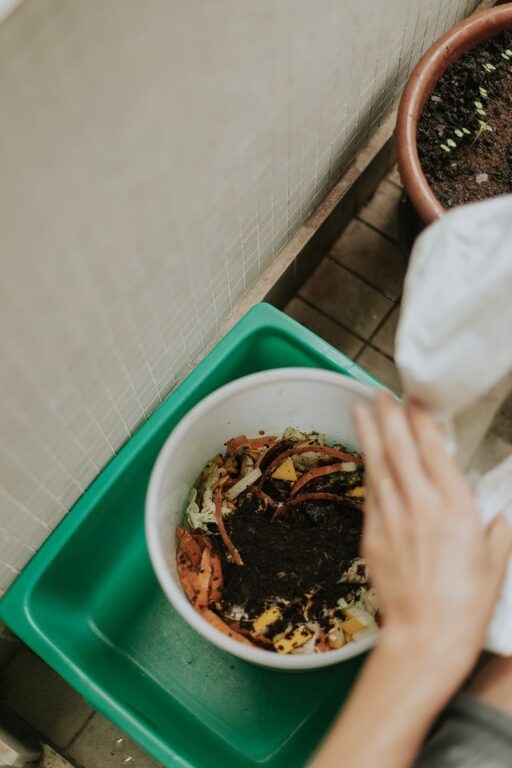
Composting is an excellent way to reduce household waste and create nutrient-rich soil for your garden. Whether you have a backyard, a balcony, or just a small space for a compost bin, it’s possible to start composting at home. This beginner’s guide will walk you through the essentials, making it easy and enjoyable to turn your food scraps and yard waste into valuable compost.
What is Composting?
Composting is the natural process of recycling organic matter—such as food scraps and garden waste—into a dark, crumbly, nutrient-rich material called compost. This material can be used to improve soil health, helping plants grow stronger and healthier.
Why Compost at Home?
– Reduces waste: Composting keeps food scraps and garden debris out of landfills.
– Enriches soil: Compost adds nutrients and improves soil structure.
– Saves money: You can reduce or eliminate the need for chemical fertilizers.
– Supports the environment: Decomposing organic waste produces fewer greenhouse gases when composted properly.
Getting Started: What You Need
Choose a Composting Method
There are several ways to compost at home, depending on your space and time:
– Compost bin: A closed container that holds your organic waste.
– Compost tumbler: A rotating bin designed for easy mixing.
– Open pile: A simple heap in your yard.
– Vermicomposting: Using worms to break down waste, ideal for small spaces or indoors.
Find a Good Location
Place your compost bin or pile in a well-drained spot with some shade. Good airflow and moisture are important for effective composting.
Gather Your Materials
Composting requires a mix of “greens” and “browns” for the best results.
– Greens: Nitrogen-rich materials like fruit and vegetable scraps, coffee grounds, fresh grass clippings.
– Browns: Carbon-rich materials such as dry leaves, shredded newspaper, cardboard, and small branches.
Avoid composting meat, dairy, oily foods, and pet waste, as these can attract pests and create odors.
Tips for Successful Composting
1. Maintain the Right Balance
Aim for about three parts browns to one part greens. Too many greens can make the pile slimy and smelly, while too many browns slow down decomposition.
2. Chop or Shred Materials
Smaller pieces break down faster. Chop vegetable scraps and shred leaves or paper before adding them to your pile.
3. Keep It Moist
Your compost should feel like a wrung-out sponge—moist but not soggy. Water the pile if it feels dry, especially during hot weather.
4. Turn Your Pile Regularly
Aerating your compost by turning it with a garden fork or rotating the tumbler helps speed up decomposition and prevents odors.
5. Be Patient
Composting can take anywhere from a few weeks to several months. Finished compost is dark, crumbly, and smells earthy.
Troubleshooting Common Issues
– Bad odor: Usually means the pile is too wet or lacks air. Turn it and add more browns.
– Pile not heating up: Add more greens and turn the pile to introduce oxygen.
– Pests: Avoid adding meat, dairy, or oily foods. Use a closed bin if pests persist.
How to Use Your Finished Compost
Once your compost is ready, you can use it to:
– Enrich garden beds and potting soil.
– Mulch around plants to retain moisture.
– Improve lawn health by spreading a thin layer over the grass.
Final Thoughts
Composting at home is a rewarding way to reduce waste and nurture your plants. Start small, be patient, and enjoy watching your scraps transform into black gold for your garden. With these beginner tips, you’ll be composting like a pro in no time!