
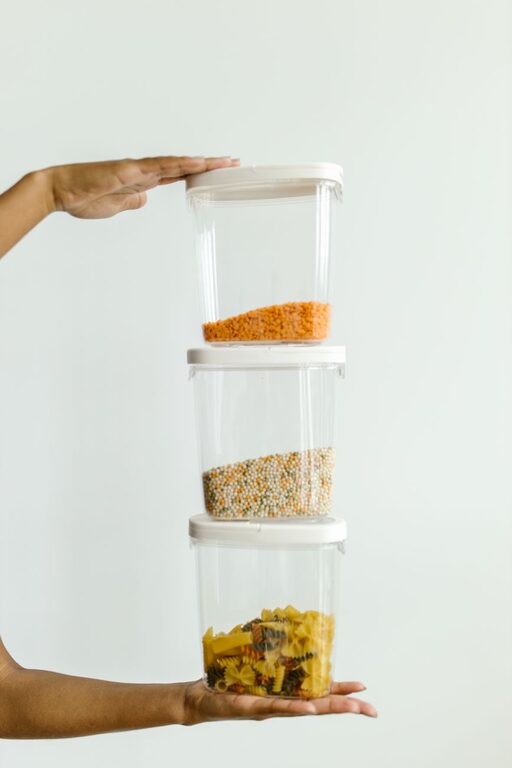
Planning meals from pantry staples is a great way to save money, reduce food waste, and simplify your grocery shopping. Pantry staples are non-perishable or long-lasting ingredients you keep on hand, such as canned goods, dried beans, rice, pasta, and spices. By learning how to creatively combine these items, you can whip up delicious and satisfying meals with minimal effort.
In this guide, we’ll walk you through how to organize your pantry, choose versatile staples, and plan meals that make the most of what you already have. Let’s get started!
Why Use Pantry Staples for Meal Planning?
Using pantry staples for your meal planning comes with many benefits:
– Convenience: Having ingredients ready at home means fewer trips to the store.
– Cost-Effective: Buying in bulk and using shelf-stable foods cuts down on grocery bills.
– Less Food Waste: Planning meals around what’s already in your pantry reduces spoilage.
– Flexibility: Pantry staples mix easily with fresh ingredients for endless meal options.
Step 1: Take Inventory of Your Pantry
Begin by checking what you currently have. Organize your pantry so you can see all items clearly:
– Group similar items together (cans, grains, baking supplies, spices).
– Check expiration dates and discard any expired products.
– Note quantities of key ingredients like rice, pasta, canned tomatoes, beans, and broths.
This inventory helps you understand what meals you can create and what you might need to restock.
Step 2: Stock Up on Essential Pantry Staples
If your pantry is low, consider adding these versatile staples to keep on hand:
– Grains: Rice, quinoa, pasta, couscous, oats
– Legumes: Canned or dried beans (black beans, chickpeas, lentils)
– Canned Goods: Tomatoes, coconut milk, vegetables, tuna, broth
– Baking Basics: Flour, sugar, baking powder, baking soda
– Oils & Vinegars: Olive oil, vegetable oil, apple cider vinegar, balsamic vinegar
– Herbs & Spices: Salt, pepper, garlic powder, paprika, dried herbs (basil, oregano)
– Other: Nut butters, canned fruit, soy sauce, honey, mustard
These items serve as a solid foundation to build meals around.
Step 3: Plan Balanced Meals Around Staples
When planning, aim for meals that include:
– Protein: Beans, lentils, canned tuna, nut butters
– Carbohydrates: Rice, pasta, potatoes, bread
– Vegetables: Fresh, frozen, or canned
– Healthy Fats: Olive oil, nuts, seeds
Here are some meal ideas using pantry staples:
Breakfast Ideas
– Oatmeal topped with canned fruit and a drizzle of honey
– Peanut butter on whole-grain toast with a side of canned peaches
– Quick pancakes using flour, baking powder, and eggs (if available), served with jam
Lunch and Dinner Ideas
– Pasta with a tomato and canned vegetable sauce, seasoned with garlic and herbs
– Rice and beans bowl with canned corn and a squeeze of lime
– Lentil soup using dried lentils, canned tomatoes, and broth
– Tuna salad with canned tuna, mayo or olive oil, and canned beans on toast
– Stir-fried rice with soy sauce and frozen or canned vegetables
Step 4: Use Meal Planning Tools
To stay organized, try these tools:
– Meal Planner Template: Write down your meals for the week based on pantry items.
– Shopping List App: Note fresh ingredients needed to complement pantry staples.
– Recipe Collection: Save or bookmark recipes that focus on pantry ingredients.
Planning ahead reduces last-minute stress and prevents impulse purchases.
Step 5: Mix Fresh and Pantry Ingredients
While pantry staples form the base, adding some fresh or frozen produce can brighten meals and boost nutrition. For example:
– Add chopped onions, garlic, and fresh herbs to canned soups.
– Toss a green salad as a side to pasta dishes.
– Use frozen spinach or mixed vegetables to add color and fiber.
Tips for Maintaining a Pantry Meal Routine
– Rotate Stock: Use older items first to keep your pantry fresh.
– Label Shelves: Helps everyone in the household find ingredients easily.
– Batch Cook: Prepare large pots of soup, stew, or chili that can be refrigerated or frozen.
– Get Creative: Experiment with different spices and sauces to vary flavors.
Conclusion
Planning meals from pantry staples is a smart, practical approach to cooking. With a well-stocked pantry and a bit of creativity, you can make delicious, balanced meals that save time and money. Start by organizing your pantry, choosing versatile ingredients, and planning your week’s meals to make the most of what you have on hand. Happy cooking!